.JPG&w=3840&q=75)
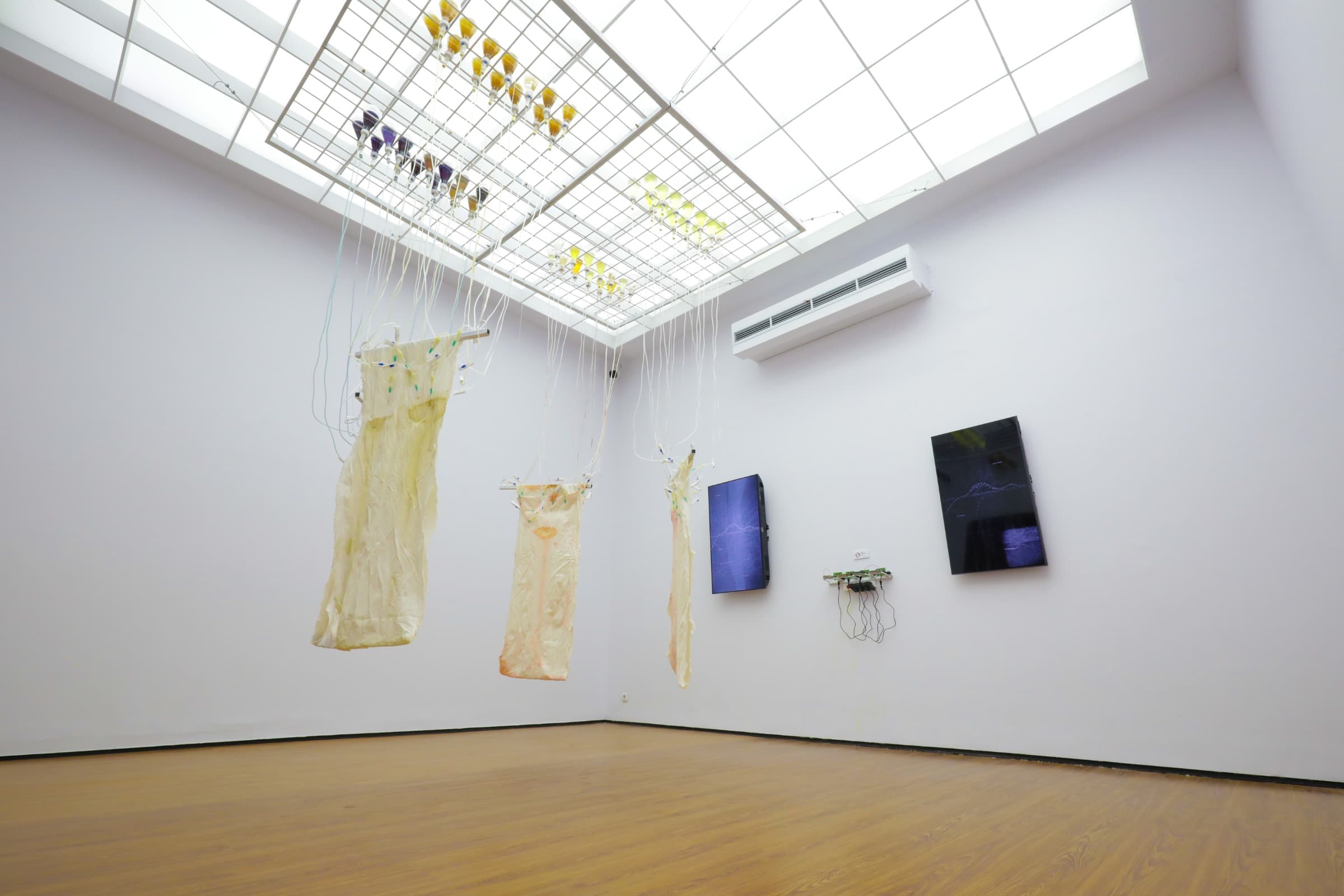
This time, the GNI Permanent Exhibition adopts a curatorial approach, presenting works that represent the history of modern and contemporary Indonesian art chronologically—from the 19th century to the present day. Highlighting diverse dimensions such as humanity, ecology, history, ethnic culture, socio-political dynamics, spirituality, and contemporary issues, the exhibition presents a reflective, cross-era narrative.
Featuring 229 works spanning the GNI collection, commissions, and loans from collectors and artists, the exhibition is positioned as an articulate medium—reflecting the struggles of discourse, expression, ideas, and creative responses of 166 artists to social change and the challenges of the times in Indonesia's cultural landscape.
This transformation continues the tradition of renewal that has characterized the GNI Permanent Exhibition since its inception. The GNI Permanent Exhibition has undergone several reorganizations since 2013, when artworks were displayed in rotation based on three categories: the chronology of the history of modern Indonesian art, specific themes such as landscapes and abstracts, and works by international artists.
From 2013–2015, the exhibition closed for revitalization, and in 2015 reopened with the concept of periodizing Indonesian art history, encompassing Gallery 1 for modern and international art, and Gallery 2 for contemporary art. In 2019, the Permanent Exhibition was renewed through three curatorial approaches: Monuments of Memory, which showcases works from the GNI collection contextualized within the development of national history; Paris 1959 Jakarta 1995, which showcases the GNI's international collection, is primarily derived from two significant events: a 1959 donation from Paris-based international artists through the Cultural and Press Attaché, Mr. Ilen Surianegara, and a donation from artists participating in the 1995 Non-Aligned Movement Exhibition in Jakarta; and Kode/D, a periodic thematic exhibition showcasing collections from GNI's 20 Years of Art Acquisitions between 1999 and 2019.
Esti Nurjadin, Head of Museums and Cultural Heritage, stated, “The restructuring of the GNI Permanent Exhibition is essential to continuously bring new innovations and maintain the relevance of the works in the National Gallery of Art collection to the current context. We also see this transformation as an opportunity to strengthen the museum's role in the creative economy ecosystem.” She added that with a fresh curatorial approach and adaptive management, the GNI Permanent Exhibition is expected to attract more visitors, expand cross-sector collaboration, and unlock new potential for various programs.
With its new and fresh presentation concept, the National Gallery of Indonesia's Permanent Exhibition not only offers an immersive visual experience but also serves as an engaging educational space for a wide range of audiences. The public is invited to take advantage of this opportunity to enjoy the finest works of art that reflect the dynamics of thought and the journey of Indonesian art.
Furthermore, the public is given the opportunity to directly engage in the creative process in the Children and Family Activity Room (RAK). At the RAK, visitors can get creative by coloring pictures, playing tarot cards from the National Gallery of Indonesia's collection, and creating murals.
Visitors can explore the National Gallery of Indonesia's Permanent Exhibition starting July 22, 2025, from 10:00 AM to 8:00 PM daily, except national holidays. Visitors can register and purchase tickets directly at the National Gallery of Indonesia or through the Traveloka app. Ticket prices are as follows:
- Students (preschool to university) IDR 25,000
- Adults IDR 50,000
- Foreign Nationals IDR 150,000
- Foreign Nationals holding KITAS IDR 50,000
- Groups (minimum 30 people) get a 20% discount
- IDR 0 for children 0-3 years old, seniors over 60 years old, people with disabilities, orphans (students), KIP and KIPK holders, and one group guide.
This ticket price applies to all exhibitions/programs currently running at the National Gallery of Indonesia.
About Museums and Cultural Heritage
Museums and Cultural Heritage (MCB) is a public service agency under the Ministry of Culture of the Republic of Indonesia, currently responsible for managing 19 museums and galleries and 34 national cultural heritage sites in Indonesia. Established in 2022 and officially established as a public service agency on September 1, 2023, MCB has a vision to become a collaborative institution that encourages creativity and change.
social and cultural development.
MCB prioritizes improving protection-based services by embracing creativity and promoting a spirit of inclusive collaboration. MCB collectively contributes to broadening understanding and deepening appreciation for Indonesia's diverse cultural heritage.
About the National Gallery of Indonesia
The National Gallery of Indonesia, under the auspices of the Museum and Cultural Heritage Public Service Agency, Ministry of Culture, is a fine arts museum committed to preserving and representing modern and contemporary Indonesian art. Since its founding in 1998, the museum, located in Central Jakarta, has collected works including paintings, sketches, graphics, sculptures, ceramics, photography, crafts, installations, video art, media art, and other alternative media. The collection, which holds state collection status, includes prestigious works by Indonesian and international artists such as Raden Saleh, S. Sudjojono, Affandi, Basoeki Abdullah, Ahmad Sadali, Fadjar Sidik, FX Harsono, Heri Dono, Wassily Kandinsky (Russia), Zao Wou Ki (China), and others.
The National Gallery of Indonesia's activities include a variety of collaborative and interactive programs on a national and international scale, including exhibitions, education, conservation, and collaborations with various parties. The National Gallery of Indonesia continues to encourage the preservation and innovation of Indonesian art so that it can become a valuable legacy for generations to come. The New Face of the National Gallery of Indonesia's Permanent Exhibition